



Understanding the Role of TDS Pool Water Value in Pool Water Management
Managing a residential pool is more than just keeping it clean and clear. One key factor that often gets overlooked is the TDS pool water value. TDS stands for Total Dissolved Solids, and it plays a crucial role in maintaining healthy, balanced pool water. If you want your pool to stay inviting and safe, understanding TDS and how it affects your water is essential.
What is TDS Pool Water Value and Why Does It Matter?
TDS refers to the total amount of dissolved substances in your pool water. These substances include minerals, salts, metals, and other particles that come from various sources like pool chemicals, debris, and even the water source itself. The tds pool water value is a measurement of these solids, usually expressed in parts per million (ppm).
Why should you care about TDS? Because it directly impacts water quality and pool equipment. High TDS levels can cause cloudy water, reduce sanitizer effectiveness, and lead to scaling or corrosion of pool surfaces and equipment. On the other hand, very low TDS can make water aggressive, potentially damaging pool surfaces.
Maintaining the right TDS balance is a key part of pool water management. It helps keep your pool water clear, safe, and comfortable for swimmers.
How to Measure and Manage TDS Pool Water Value
Measuring TDS is straightforward. You can use a TDS meter, a small handheld device that gives you a quick reading of your pool’s TDS level. Regular testing is important because TDS levels naturally rise over time as you add chemicals and water evaporates.
Here’s how to manage TDS effectively:
Test regularly - Check your TDS levels at least once a month.
Maintain recommended levels - Ideally, keep TDS between 1,000 and 1,500 ppm for residential pools.
Dilute high TDS water - If TDS gets too high, partially drain and refill your pool with fresh water.
Limit chemical buildup - Use pool chemicals sparingly and follow dosing instructions carefully.
Use chemical-free solutions when possible - This helps reduce the buildup of dissolved solids.
By keeping an eye on your TDS pool water value, you can prevent many common pool problems before they start.
Is it Normal to Losing 1/2 Inch of Water a Day in a Pool?
Many pool owners notice water levels dropping daily and wonder if it’s normal. Losing about 1/2 inch of water per day can be typical due to evaporation, especially in warm, dry climates like Sonoma, Marin, and Napa counties.
However, if you see more significant water loss, it could indicate leaks or other issues. Keep in mind that evaporation also concentrates TDS in your pool water because the water evaporates but the dissolved solids remain.
To manage this:
Monitor water levels daily.
Add fresh water to maintain proper levels.
Check for leaks if water loss seems excessive.
Remember that topping off your pool with fresh water helps control TDS buildup.
Understanding this balance helps you maintain a healthy pool environment and avoid costly repairs.

Why TDS in Pool Water Importance Should Not Be Overlooked
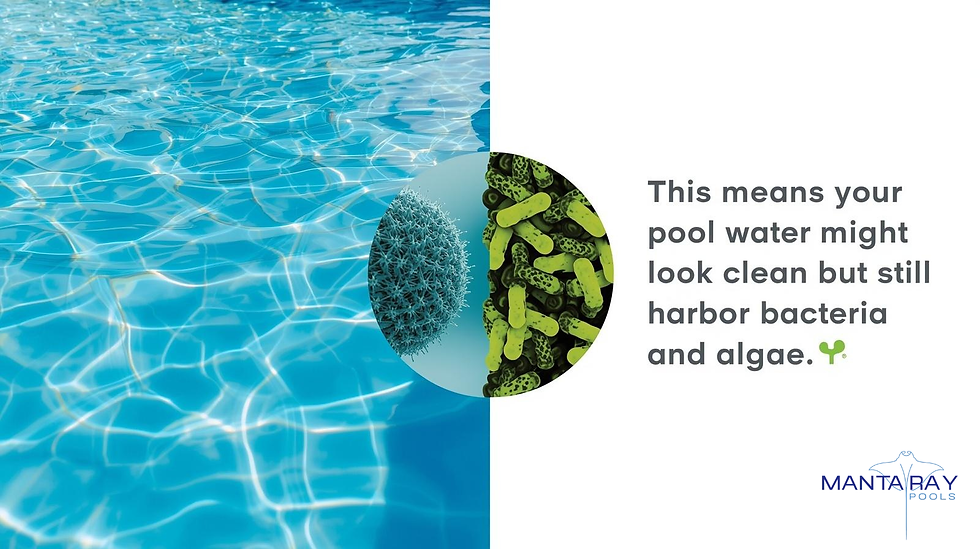
The tds in pool water importance cannot be overstated. High TDS levels reduce the effectiveness of chlorine and other sanitizers. This means your pool water might look clean but still harbor bacteria and algae.
High TDS can also cause:
Scaling on pool surfaces and equipment, leading to rough textures and damage.
Corrosion of metal parts like ladders, pumps, and heaters.
Cloudy water, which is uninviting and can hide debris or algae growth.
Ignoring TDS can lead to more frequent chemical use, higher maintenance costs, and a less enjoyable swimming experience. Regular monitoring and management of TDS help keep your pool water balanced and your equipment in good shape.
Practical Tips for Keeping Your Pool’s TDS in Check
Managing TDS doesn’t have to be complicated. Here are some practical tips to keep your pool water in top shape:
Use fresh water wisely: When refilling your pool, use fresh water with low TDS.
Avoid overuse of chemicals: Follow manufacturer guidelines and avoid adding unnecessary chemicals.
Regularly clean filters and pool surfaces: This helps remove solids before they dissolve.
Consider chemical-free pool solutions: These reduce the buildup of dissolved solids and are gentler on your pool.
Schedule professional water testing: Experts can provide detailed analysis and advice tailored to your pool.
By following these steps, you’ll maintain a balanced TDS pool water value and enjoy a sparkling, healthy pool all season long.
Keeping Your Pool Water Balanced for Long-Term Enjoyment
Maintaining the right TDS pool water value is a key part of long-term pool care. It protects your investment by preventing damage and reducing the need for harsh chemicals. Plus, balanced water means a safer, more pleasant swimming experience.
If you’re in Sonoma, Marin, or Napa counties, consider partnering with a trusted pool service that understands the unique challenges of your local water and climate. They can help you monitor TDS and other water parameters, ensuring your pool stays in perfect condition.
Remember, a little attention to TDS goes a long way. Keep testing, managing, and adjusting your pool water, and you’ll enjoy a beautiful, healthy pool for years to come.


Comments