


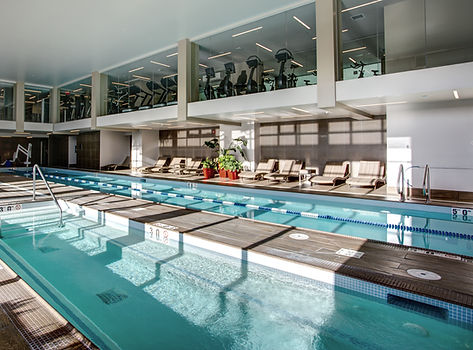
Breaking Free from the Chemical Pool Cycle: How to Break Chemical Cycle Pools for a Healthier Swim
Owning a pool is a joy, but maintaining it can sometimes feel like a never-ending battle. If you’ve ever found yourself constantly adding chemicals, testing water, and still dealing with cloudy or irritating water, you’re caught in what I call the chemical pool cycle. This cycle traps many pool owners in a loop of chemical fixes that never quite solve the problem. Today, I want to share how to break chemical cycle pools and enjoy a cleaner, healthier pool without the constant chemical overload.
Why You Need to Break Chemical Cycle Pools Now
The chemical pool cycle happens when you keep adding more chemicals to fix water problems, but the issues keep coming back. It’s frustrating and expensive. Plus, too many chemicals can harm your pool equipment, irritate your skin and eyes, and even damage the environment around your home.
Breaking this cycle means taking a smarter, more balanced approach to pool care. It’s about understanding what your pool really needs and using fewer chemicals more effectively. This approach saves you money, time, and stress. It also means your pool water feels better and looks clearer.
Here are some key reasons to break chemical cycle pools:
Reduce chemical use: Less exposure to harsh chemicals for you and your family.
Save money: Fewer chemicals mean lower costs over time.
Protect your pool: Avoid damage to pool surfaces and equipment.
Improve water quality: Clearer, fresher water that’s safer to swim in.
Help the environment: Less chemical runoff into your garden and local waterways.
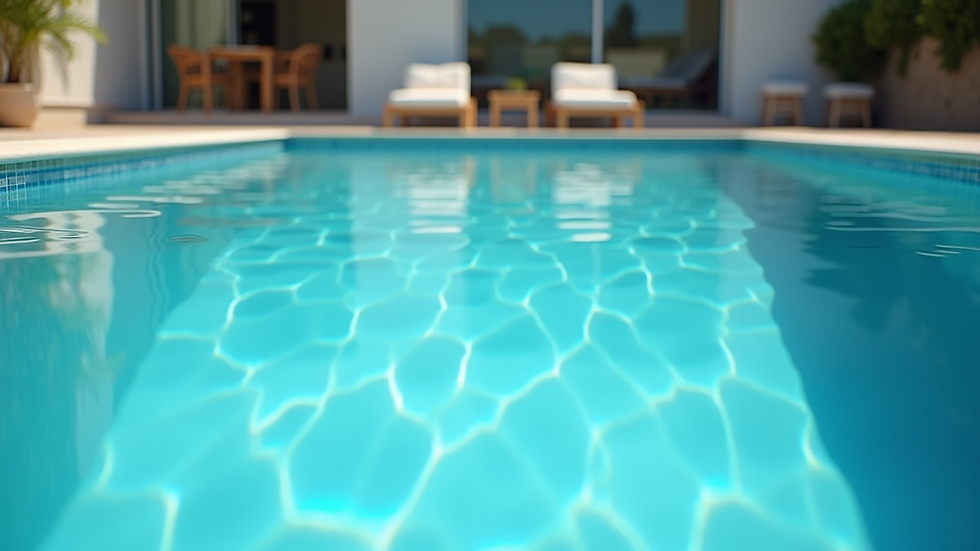
How to Break Chemical Cycle Pools: Practical Steps That Work
Breaking free from the chemical pool cycle starts with a few simple but powerful changes. Here’s what I recommend:
1. Test Your Water Regularly and Accurately
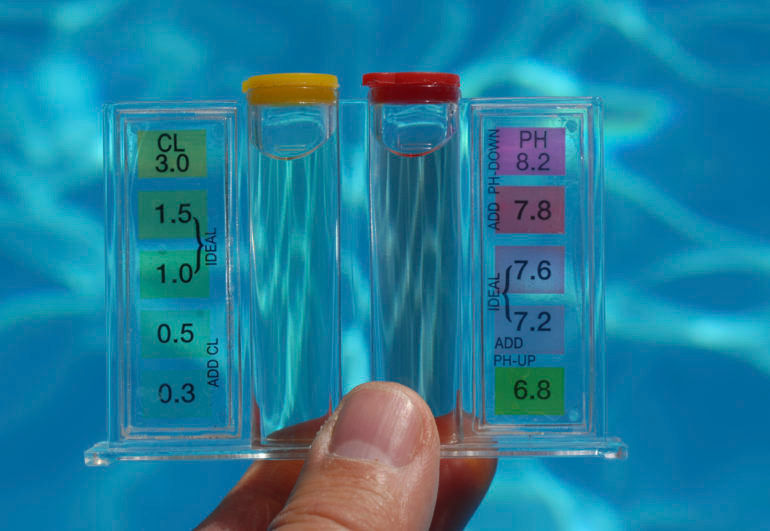
Testing is the foundation of good pool care. Use a reliable test kit or digital tester to check:
pH levels (ideal range: 7.2-7.6)
Chlorine or sanitizer levels
Alkalinity (80-120 ppm)
Calcium hardness (200-400 ppm)
Cyanuric acid (stabilizer) levels
Test at least twice a week during swimming season. Accurate testing helps you add only what your pool needs, no more.
2. Balance Your Pool Water First
Before adding any chemicals, balance your water chemistry. Start with alkalinity, then pH, then calcium hardness. Balanced water reduces the need for extra chemicals and prevents problems like scaling or corrosion.
3. Use Alternative Sanitizers
Consider alternatives to traditional chlorine. Saltwater systems, mineral sanitizers, or UV systems can reduce chemical use while keeping your pool safe. These options often require less maintenance and provide a gentler swimming experience.
4. Maintain Proper Filtration and Circulation
Your pool’s filter and pump are your best friends. Clean or backwash filters regularly and run your pump long enough each day (usually 8-12 hours) to keep water moving and clear. Good circulation helps chemicals work better and prevents algae growth.
5. Shock Your Pool Only When Needed
Shocking means adding a large dose of chlorine to kill bacteria and algae. Don’t shock on a schedule. Instead, shock only when tests show it’s necessary, such as after heavy use, rain, or if water turns cloudy.
6. Keep Your Pool Clean
Skim debris daily, brush walls weekly, and vacuum the pool regularly. Physical cleaning reduces the organic matter that feeds algae and bacteria, cutting down on chemical demand.
7. Consider Professional Help
Sometimes, breaking the chemical cycle requires expert advice. A pool service professional can analyze your water, inspect equipment, and recommend tailored solutions to reduce chemical use.
What Happens When There Is Too Much Chemical in a Pool?
Too many chemicals in your pool can cause a range of problems. It’s not just about discomfort; it can damage your pool and health.
Skin and Eye Irritation
High chlorine or low pH can cause red, itchy eyes and dry, irritated skin. This makes swimming unpleasant and can even lead to rashes or allergic reactions.
Cloudy or Green Water
Excess chemicals can cause water to become cloudy or take on a green tint. This happens because chemical imbalances affect water clarity and encourage algae growth.
Equipment Damage
Over-chlorinated water or unbalanced pH can corrode metal parts, damage pool liners, and shorten the life of pumps and filters. Repairs can be costly and inconvenient.
Unpleasant Odors
Too much chlorine creates a strong chemical smell that can be off-putting. This smell often means chlorine is reacting with contaminants, forming chloramines, which are less effective and more irritating.
Environmental Impact
When pool water with high chemical levels is drained into gardens or storm drains, it can harm plants, soil, and local waterways.
Understanding these risks highlights why it’s so important to break chemical cycle pools and maintain balanced water.
How to Stop Chemical Pool Cycle for Good
If you want to stop chemical pool cycle, you need a plan that focuses on prevention and balance. Here’s a simple roadmap:
Commit to regular testing and water balance. This is your best defense.
Use chemicals sparingly and only as needed. Avoid guesswork.
Invest in good filtration and circulation. Clean water needs movement.
Try alternative sanitizers. They can reduce chemical dependency.
Keep your pool clean physically. Remove debris and scrub surfaces.
Seek professional advice when stuck. Experts can spot hidden issues.
By following these steps, you can stop chemical pool cycle and enjoy a pool that’s easier to maintain and more enjoyable to swim in.
Embracing a Chemical-Free Pool Future
Breaking free from the chemical pool cycle is not just about reducing chemicals. It’s about embracing a new way of caring for your pool that prioritizes health, sustainability, and simplicity. With the right approach, your pool can be a refreshing oasis without the harsh chemical overload.
If you live in Sonoma, Marin, or Napa counties, consider exploring chemical-free or low-chemical pool solutions. These methods are gaining popularity because they work well in our climate and offer a better swimming experience.
Remember, a pool is an investment in your home and lifestyle. Taking care of it smartly means more fun, less hassle, and a healthier environment for everyone.
Start today by testing your water, balancing your chemistry, and learning more about alternative sanitizers. Your pool will thank you.
Breaking the chemical pool cycle is possible. It takes knowledge, effort, and sometimes a little help. But the reward is a beautiful, clear pool that feels great and lasts longer. Dive in and make the change now!


Comments