


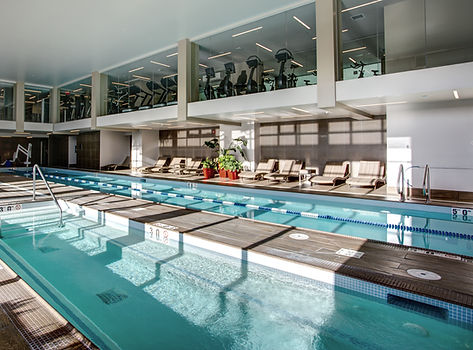
Understanding Total Dissolved Solids Pool Water and Water Balance
Keeping a pool clean and safe is more than just skimming leaves and adding chlorine. One key factor that often gets overlooked is the total dissolved solids (TDS) in pool water. Understanding TDS and how it affects your pool’s water balance can save you time, money, and frustration. In this post, I’ll walk you through what TDS is, why it matters, and how to manage it effectively for a sparkling, healthy pool.
What Are Total Dissolved Solids in Pool Water?
Total dissolved solids refer to all the minerals, salts, metals, and organic matter dissolved in your pool water. These solids come from many sources: pool chemicals, rainwater, swimmers, and even the water you use to fill the pool. Over time, these dissolved substances accumulate and affect water quality.
TDS is measured in parts per million (ppm). Fresh pool water usually starts with a low TDS level, but as you add chemicals and water evaporates, the concentration rises. High TDS can cause cloudy water, scaling, and reduce the effectiveness of sanitizers.
Managing total dissolved solids pool water is essential for maintaining clear, balanced water. If TDS levels get too high, it’s a sign you may need to partially drain and refill your pool to restore balance.

Clear pool water surface indicating balanced water chemistry
Why Total Dissolved Solids Matter for Pool Water Balance
Water balance in a pool means keeping the right levels of pH, alkalinity, calcium hardness, and sanitizer. TDS plays a subtle but important role in this balance. When TDS levels rise, it can:
Reduce sanitizer efficiency: Chlorine and other sanitizers work less effectively in water with high TDS.
Cause cloudy or dull water: Excess dissolved solids can make your pool look murky.
Lead to scaling or corrosion: High TDS can cause calcium to precipitate, forming scale on pool surfaces and equipment.
Affect water taste and smell: Though not usually a concern for swimming, high TDS can make water smell or taste unpleasant.
Because of these effects, it’s important to monitor TDS regularly. You can use a TDS meter or test strips designed for pool water.
Is it Normal to Losing 1/2 Inch of Water a Day in a Pool?
Losing about half an inch of water daily is quite common in residential pools, especially in warm climates like Sonoma, Marin, and Napa counties. This loss happens mainly due to evaporation, splash-out, and sometimes minor leaks.
Here’s what you should know:
Evaporation: Warm, dry, and windy conditions speed up evaporation. Half an inch per day is typical during hot summer months.
Splash-out: Active swimming and pool play can cause water to splash out.
Leaks: If water loss is consistent and more than expected, check for leaks in plumbing, fittings, or the pool shell.
To reduce water loss, consider using a pool cover when the pool is not in use. This simple step can cut evaporation by up to 90%. Also, regular maintenance helps spot leaks early before they become costly problems.

Residential pool showing water level drop due to evaporation
How to Manage TDS Levels in Your Pool
Managing TDS is mostly about prevention and regular maintenance. Here are practical steps you can take:
Test TDS regularly: Use a TDS meter or test strips every few weeks, especially during heavy pool use or after adding chemicals.
Limit chemical overuse: Adding too many chemicals increases TDS. Follow dosing instructions carefully.
Use fresh water for top-offs: When adding water, use fresh water with low TDS to avoid raising levels.
Drain and refill periodically: If TDS gets too high (usually above 1500 ppm), partially drain your pool and refill with fresh water.
Maintain proper water balance: Keep pH, alkalinity, and calcium hardness in recommended ranges to prevent scaling and corrosion.
Consider chemical-free solutions: Some pool owners in Sonoma, Marin, and Napa counties are switching to chemical-free pool care options to reduce TDS buildup.
By following these steps, you can keep your pool water clear, safe, and enjoyable all season long.
Signs Your Pool Water Has High TDS and What to Do
High TDS doesn’t always show obvious signs, but here are some clues:
Water looks cloudy or dull despite regular cleaning.
You notice scaling on pool tiles or equipment.
Chlorine seems less effective, and algae growth increases.
Water tastes or smells unusual (if you ever taste or smell pool water).
If you spot these signs, test your TDS level immediately. If it’s high, plan a partial drain and refill. This is the most effective way to reduce TDS quickly.
Also, review your pool maintenance routine. Are you adding too many chemicals? Is your water source high in minerals? Adjusting these factors can prevent TDS from rising again.
Keeping Your Pool Water Balanced Year-Round
Maintaining balanced pool water is a year-round task. Here are some tips to keep your pool in top shape:
Regular testing: Check pH, alkalinity, calcium hardness, sanitizer levels, and TDS weekly.
Adjust chemicals carefully: Add chemicals in small doses and retest before adding more.
Use a pool cover: This reduces evaporation, debris, and chemical loss.
Schedule professional service: A trusted pool service can help with deep cleaning, equipment checks, and water balancing.
Consider water source quality: If your local water has high mineral content, plan for more frequent partial water changes.
By staying on top of these tasks, you’ll enjoy a clean, clear pool that’s safe for your family and friends.
Understanding and managing total dissolved solids pool water is a key part of pool care. It affects water clarity, sanitizer effectiveness, and overall pool health. With regular testing and smart maintenance, you can keep your pool sparkling and balanced all year long.
If you want expert help with pool care, repairs, or chemical-free solutions in Sonoma, Marin, or Napa counties, consider reaching out to a local professional. They can provide tailored advice and services to keep your pool in perfect shape.
Happy swimming!


Comments