


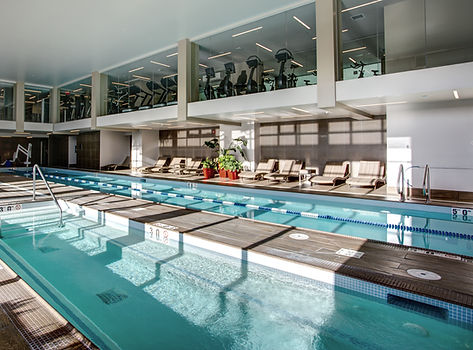
Understanding Pool TDS Importance: The Role of TDS in Pool Management
Managing a residential pool is more than just keeping it clean and sparkling. One key factor that often gets overlooked is Total Dissolved Solids, or TDS. If you want your pool water to stay healthy, clear, and safe, understanding TDS is essential. I’ve learned that keeping an eye on TDS levels can save you time, money, and frustration. Let me walk you through why TDS matters and how it plays a crucial role in pool management.
What is TDS and Why Pool TDS Importance Matters
TDS stands for Total Dissolved Solids. It’s a measure of all the dissolved substances in your pool water. These include minerals, salts, metals, and other tiny particles that you can’t see but affect water quality. When TDS levels get too high, it can cause problems like cloudy water, scaling, and even corrosion of pool equipment.
Why should you care? Because TDS affects how well your pool chemicals work. For example, chlorine might not sanitize effectively if TDS is off balance. This means your pool could become a breeding ground for bacteria and algae, even if you’re adding chemicals regularly.
Maintaining the right TDS level is part of good pool care. It helps keep water balanced, safe, and comfortable for swimmers. If you want to dive deeper into the science and practical tips, check out this resource on tds in pool water importance.

How TDS Levels Affect Pool Water Quality
TDS levels can tell you a lot about your pool’s health. Here’s what happens when TDS is too high or too low:
High TDS: Water becomes cloudy or dull. You might notice scaling on pool walls or equipment. High TDS can also cause your pool water to feel sticky or harsh on the skin. Chemicals like chlorine become less effective, so you may need to add more, which can lead to chemical imbalances.
Low TDS: This is less common but can happen if you drain and refill your pool frequently. Low TDS can make water corrosive, damaging metal parts and pool surfaces.
You can use a TDS meter or test strips to check your pool water.
To manage TDS, you might need to partially drain and refill your pool with fresh water. This dilutes the dissolved solids and brings levels back to normal. It’s a simple but effective way to keep your pool water balanced.
Is it normal to losing 1/2 inch of water a day in a pool?
Losing about half an inch of water daily is quite common, especially in hot, dry climates like Sonoma, Marin, and Napa counties. Evaporation is the main cause. Wind, sun exposure, and pool surface area all affect how quickly water evaporates.
However, if you notice water loss beyond this, it could signal a leak or plumbing issue. Regularly checking your pool water level helps you catch problems early. If you suspect a leak, it’s best to call a professional to inspect and fix it.
Water loss also impacts TDS levels. When water evaporates, dissolved solids stay behind, causing TDS to rise. This is another reason why monitoring TDS is important. If you lose water regularly, you’ll need to top off your pool with fresh water to keep TDS balanced.

Practical Tips for Managing TDS in Your Pool
Managing TDS doesn’t have to be complicated. Here are some practical steps you can take:
Test Regularly: Use a TDS meter or test strips at least once a month. More frequent testing is wise during heavy pool use or after adding chemicals.
Top Off with Fresh Water: When water evaporates, add fresh water to keep TDS levels stable.
Limit Chemical Overuse: Adding too many chemicals can increase TDS. Follow manufacturer guidelines and avoid over-treating.
Drain and Refill: If TDS gets too high, partially drain your pool and refill with fresh water.
Maintain Proper Filtration: Clean filters and circulation systems help remove particles that contribute to TDS.
Avoid Contaminants: Keep debris, dirt, and organic matter out of your pool. These add to dissolved solids.
By following these tips, you’ll keep your pool water balanced and enjoyable all season long.
Why Monitoring TDS is Key for Chemical-Free Pool Solutions
At Manta Ray Pool Service, we focus on chemical-free pool solutions that rely on natural water balance and advanced filtration. Monitoring TDS is crucial in this approach. When TDS is in check, you reduce the need for harsh chemicals, making your pool safer for your family and the environment.
High TDS can interfere with natural sanitizers like mineral systems or UV treatments. Keeping TDS low ensures these systems work efficiently. It also helps prevent buildup that can cause cloudy water or damage.
If you’re interested in chemical-free pool care, regular TDS testing is a must. It’s a simple step that supports healthier water and a more sustainable pool.
Keeping Your Pool Sparkling with TDS Awareness
Managing TDS is a smart move for any pool owner. It’s a behind-the-scenes factor that impacts water clarity, safety, and equipment longevity. By understanding and controlling TDS, you’ll enjoy a cleaner, more comfortable pool all year round.
Remember these key points:
TDS measures all dissolved solids in your pool water.
High TDS can cause cloudy water and reduce chemical effectiveness.
Regular testing and fresh water top-offs keep TDS balanced.
Water loss affects TDS, so watch your pool’s water level.
Chemical-free pool care depends on good TDS management.
Taking these steps will help you maintain a beautiful pool that’s ready for fun anytime. If you want expert help with pool care, repairs, or remodeling in Sonoma, Marin, or Napa counties, consider reaching out to professionals who understand the importance of TDS and natural pool solutions.
Your pool deserves the best care, and managing TDS is a big part of that. Dive in with confidence knowing your water is balanced and healthy.


Comments