


💦 How Much Pee Is in a Pool? Mark Rober’s Wild (and Surprisingly Scientific) Experiment
When former NASA engineer turned YouTube sensation Mark Rober asks a question, he doesn’t just Google it — he builds an experiment.
In one of his most talked-about videos, Rober set out to answer a question that most swimmers have wondered (and maybe tried not to think about):
How much pee is actually in a swimming pool?
To find out, he teamed up with Lindsay Blackstock at the University of Alberta, who developed a fascinating way to measure urine in pool water.

🧪 The Science: Measuring Pee with Artificial Sweetener
The key to the experiment? An artificial sweetener called Acesulfame Potassium (Ace-K).
Why Ace-K?
It passes through the human body unchanged.
It’s commonly found in processed foods and drinks.
It’s easy to detect in water samples.
It doesn’t break down quickly in pool systems.
By testing pool water for Ace-K concentrations, researchers can estimate how much urine has been introduced into the water.
Yes — science has officially quantified it.
📊 So… How Much Pee Are We Talking?
Rober tested water samples from pools in his area and compared them to known concentrations of Ace-K.
The results?
In large public pools (around 220,000 gallons), researchers have found tens of gallons of urine present over time.
That sounds shocking — until you remember:
Public pools host thousands of swimmers.
Urine accumulates gradually.
Proper sanitation systems dilute and treat contaminants.
Still, it’s enough to make you think twice before skipping that bathroom break.
Rober even presented an equation so pool owners could estimate urine volume based on:
Pool size (gallons)
Measured Ace-K concentration
Average urine concentration of Ace-K
It’s nerdy. It’s brilliant. It’s slightly horrifying.
🤢 What Causes That “Classic Pool Smell”?
Here’s where the experiment gets really interesting.
That strong “chlorine” smell people associate with pools?
It’s not clean water.
It’s actually chloramines — chemical compounds formed when chlorine reacts with:
Sweat
Body oils
Urine
The stronger the smell, the more chlorine is reacting with contaminants.
In other words:
👉 A strong pool smell can actually indicate more contamination — not better sanitation.
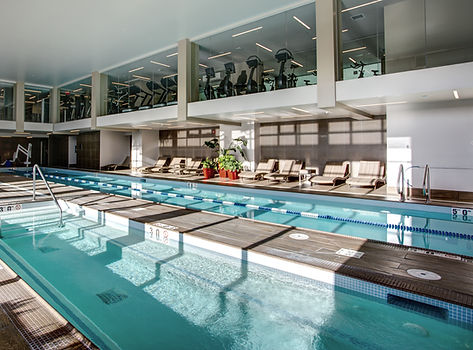
Rober conducted his own experiment to show how these reactions happen and why indoor pools often smell stronger due to poor ventilation.
💡 What This Means for Pool Owners
Whether you manage a public facility or own a backyard pool, here are the takeaways:
🚿 Shower before swimming
🚽 Take bathroom breaks
💨 Ensure proper ventilation (especially indoors)
⚗️ Maintain balanced sanitation chemistry
Modern pool systems are designed to neutralize contaminants effectively — but swimmer habits still matter.
If you're a homeowner, this might also spark a bigger conversation about alternative sanitation methods and reducing chloramine formation altogether.
🎥 Watch the Full Experiment
You can watch Mark Rober’s full video here:
(It’s equal parts educational and entertaining.)
Final Thought
Mark Rober’s experiment is a great reminder that science can answer even the most uncomfortable questions.
And while the numbers might surprise you, the real lesson is this:
Pools don’t smell because they’re clean.They smell because chemistry is working overtime.
Swim smart. Shower first. And maybe — just maybe — use the restroom before you jump in. 💦


Comments